
Let’s dive into some simple (but essential) steps to winterize your HVAC system and keep your home warm all season.
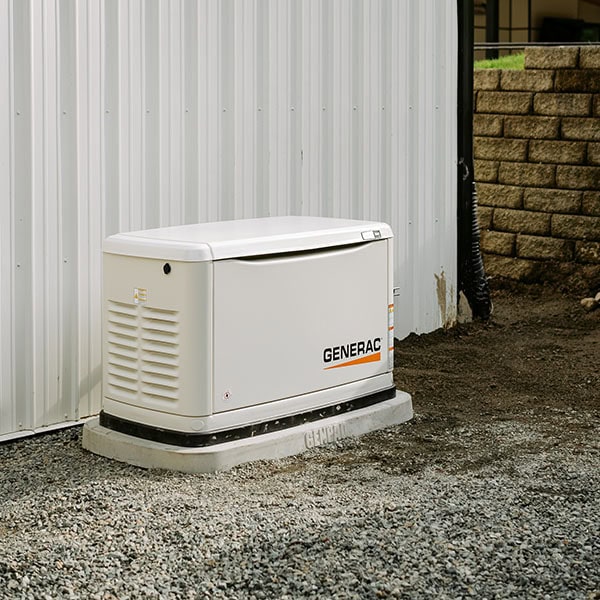
A whole-house generator—also referred to as a standby generator—is a lifeline during a power outage. In Washington, power outages aren’t an “if” but a “when.” In fact, according to the U.S. Energy Information Administration, U.S. citizens experienced nearly five and a half hours of power outages in 2022.
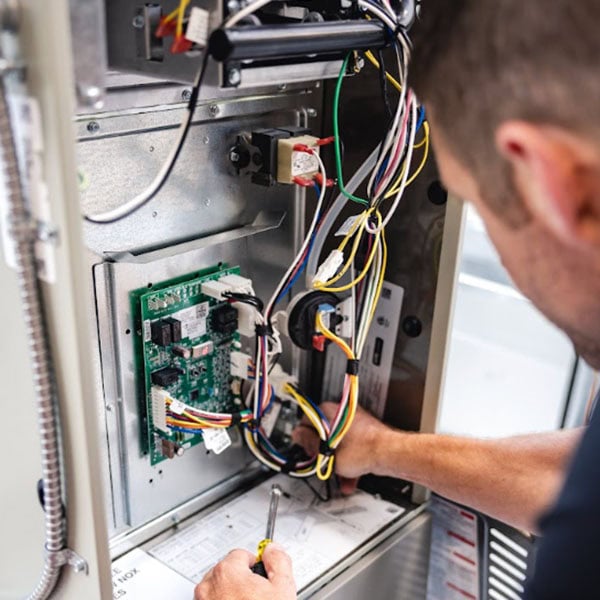
But the last thing you want to deal with during the first cold snap of the season is a furnace that won’t turn on.
Indoor humidity is a drag. It makes relaxing extremely difficult—after all, you are sweating inside your home!
According to the U.S. DOE, a simple task such as changing the air filter on your HVAC system can improve efficiency by up to 15 percent.
According to the US Environmental Protection Agency, your Seattle home’s indoor air quality is often two to five times more polluted than outdoor air.
It’s a hot day outdoors, and you are inside your Kirkland home waiting for your air conditioning (AC) system to kick into full gear.
Your air conditioner (AC) can do several things––keep your Washington home’s indoor air cooler than outdoor temperatures, help to keep indoor airborne allergens at bay, and help keep your home’s humidity low. But one thing it can’t do is kill mold.
Spring is finally arriving in Washington! The days are getting longer, the flowers are blooming, and you’re probably already thinking about dusting off the patio furniture or tackling that messy garage.
The same goes for a heat pump. The outdoor unit might be in perfect working condition. Still, the heating and cooling process stops without an indoor evaporator coil, connecting refrigerant lines, and a fan to blow conditioned air through ductwork.